Anbieter: kopfhoererboutique
iBasso DX270 R2R Ultra
Beschreibung
Product information "iBasso DX270 R2R Ultra"
R2R Digital Audio Player
The ultimate evolution of R2R decoding – R2R Ultra The DX270 is not a typical R2R player, but a profound redesign of R2R decoding by iBasso to implement R2R. It features a hybrid architecture of 20-bit R2R + 4-bit string DAC, combined with an 8-channel full-differential discrete R2R, FPGA Master 3.0, internally developed algorithms, and a hardware resistance compensation network. This results in a dynamic range of 130 dB and a THD+N of better than -97 dB, completely overcoming the zero-point distortion issues common in R2R devices and achieving near-perfect linearity. iBasso refers to this entire technical system as R2R Ultra.
8-channel, fully differential R2R The DX270 uses a fully symmetrical architecture design with L+, L-, R+, and R-, each containing two R2R DACs internally and forming an “8-channel R2R” configuration. This differential design with two DACs is the key to solving the problem of “zero-crossing distortion” – when audio signals change between positive and negative voltages at zero, conventional single-channel decoding can cause signal interruptions. The differential output of the dual DACs compensates for these gaps, enabling smoother transitions. Even with small signals, linearity remains stable. This not only solves zero-crossing distortion, but also expands the dynamic range of R2R decoding to an industry-leading 130 dB, bringing out the full dynamic range of the music.
20-bit R2R + 4-bit string DAC Leading technology for superior sound quality The DX270 uses a hybrid architecture of 20-bit R2R + 4-bit string DAC. For high-bit processing (MSB), a string DAC is used, which directly approximates the target voltage through series resistors and switches. It offers a wide dynamic range, low noise energy, and excellent THD+N. The disadvantage is the need for more resistors. iBasso invest heavily, a total of 344 high-precision resistors, which is almost double the number of resistors compared to standard R2R DACs and results in a finer, more natural, and purer sound.
FPGA Master 3.0 Inside Proprietary algorithm for audio evolution The DX270 features FPGA Master 3.0, which is based on iBasso's years of algorithm development and has 7.5 times more logic LUTs than version 2.0. As the main audio controller, it retrieves data directly from the SoC, using synchronized system clock generators with two extremely low-noise Accusilicon femtosecond oscillators. The FPGA Master 3.0 also acts as a “hardware calibration master.” It can detect and compensate for parameter errors in real time, reducing the nonlinear characteristics of the components and improving the precision of the hardware resistance compensation network. The synergy of algorithms and hardware further optimizes the THD+N and dynamic range of the DX270, resulting in more stable decoding performance. Thanks to our algorithm, the DX270 also supports NOS mode and four types of digital filters for a different listening experience.
Hardware resistance compensation network Further pushing the limits of performance Combined with FPGA algorithms and a hardware resistance compensation network that uses 76 highly precise resistors, decoding accuracy is significantly improved, dynamic range is expanded, and distortion is reduced. This deep synergy between “software + hardware” enables the R2R Ultra DAC to break through traditional performance limits. The accuracy of the equivalent resistance reaches 1.4 parts in 100,000.
Thorough solution to the problem of zero-crossing distortion Confirmed by both measurement and listening Zero-crossing distortion at signal levels close to zero leads to loss of detail, abnormal noise, or lack of clarity in the low frequencies. This is a common problem with conventional R2R DACs. The DX270 uses a fully differential architecture and precise calibration to achieve an extremely low zero-crossing distortion level of -120 dB, clearly reproducing even subtle instrumental harmonies and vocal nuances.
Excellent linearity Quieter background, excellent airiness The complex waveforms of music consist of many frequency components. If the output curve of the DAC is not perfectly linear, additional harmonic distortion, intermodulation, and waveform distortion occur. Linearity directly affects decoding accuracy. With its extremely high resistance matching, reliable switching precision, and optimized circuit architecture, the DX270 surpasses the linearity of conventional R2R DACs. The output curve is close to the ideal curve, free of additional harmonics or distortion, providing a “night-black” background for natural and realistic music reproduction.
Qualcomm Snapdragon 665 SoC 4 GB RAM + 128 GB ROM, 5.5-inch screen Equipped with Qualcomm Snapdragon 665 SoC, 4 GB RAM, and 128 GB UFS 2.1 high-speed storage, ensuring smooth operation and fast response. The DX270 supports expansion up to 2 TB micro SD card for enormous storage space. The 5.5-inch display with a resolution of 1080*2160 offers rich colors and a precise touch experience, which increases user-friendliness.
Supports 12V DC input power Powerful and dynamic performance Connecting to a 12V DC power supply increases the amplifier's power supply from ±8V to ±12V, activating “Super Gain Mode” with an output power of up to 1575mW + 1575mW at 32Ω. This ample power can easily handle complex music genres and various types of headphones.
Two analog JRC volume chipsets Ensures pure sound with noise reduction The DX270 uses two dual-channel analog JRC volume ICs that form a 4-channel volume control. At low volumes, this volume control synchronously attenuates noise. At typical listening volume (50 mV), it achieves over 91 dB SINAD, ensuring clear and natural sound.
Non-SRC-based Android 13 and Linux-based Mango OS The DX270 uses the Android 13 operating system with an optimized user interface that supports the installation of various streaming apps. It bypasses SRC at the system level so that apps such as Mango Player can function optimally. In addition, it features Mango OS, a Linux-based music system with many advanced algorithms designed specifically for audio playback. With lower SoC load, no WiFi interference, no Bluetooth interference, and lower EMI, the result is a purer sound.
4.4 mm PO + 4.4 mm LO + 3.5 mm PO Low-latency USB DAC With 3.5 mm and 4.4 mm output interfaces, it is effortlessly suitable for balanced and unbalanced headphones and IEMs. The balanced 4.4 mm line output provides convenient external amplification. The coaxial 3.5 mm output supports high-quality digital output up to 384 kHz. Thanks to USB DAC support, the DX270 can become a high-end R2R USB DAC for PCs or smartphones. Informationen zum Hersteller
R2R Digital Audio Player
The ultimate evolution of R2R decoding – R2R Ultra The DX270 is not a typical R2R player, but a profound redesign of R2R decoding by iBasso to implement R2R. It features a hybrid architecture of 20-bit R2R + 4-bit string DAC, combined with an 8-channel full-differential discrete R2R, FPGA Master 3.0, internally developed algorithms, and a hardware resistance compensation network. This results in a dynamic range of 130 dB and a THD+N of better than -97 dB, completely overcoming the zero-point distortion issues common in R2R devices and achieving near-perfect linearity. iBasso refers to this entire technical system as R2R Ultra.
8-channel, fully differential R2R The DX270 uses a fully symmetrical architecture design with L+, L-, R+, and R-, each containing two R2R DACs internally and forming an “8-channel R2R” configuration. This differential design with two DACs is the key to solving the problem of “zero-crossing distortion” – when audio signals change between positive and negative voltages at zero, conventional single-channel decoding can cause signal interruptions. The differential output of the dual DACs compensates for these gaps, enabling smoother transitions. Even with small signals, linearity remains stable. This not only solves zero-crossing distortion, but also expands the dynamic range of R2R decoding to an industry-leading 130 dB, bringing out the full dynamic range of the music.
20-bit R2R + 4-bit string DAC Leading technology for superior sound quality The DX270 uses a hybrid architecture of 20-bit R2R + 4-bit string DAC. For high-bit processing (MSB), a string DAC is used, which directly approximates the target voltage through series resistors and switches. It offers a wide dynamic range, low noise energy, and excellent THD+N. The disadvantage is the need for more resistors. iBasso invest heavily, a total of 344 high-precision resistors, which is almost double the number of resistors compared to standard R2R DACs and results in a finer, more natural, and purer sound.
FPGA Master 3.0 Inside Proprietary algorithm for audio evolution The DX270 features FPGA Master 3.0, which is based on iBasso's years of algorithm development and has 7.5 times more logic LUTs than version 2.0. As the main audio controller, it retrieves data directly from the SoC, using synchronized system clock generators with two extremely low-noise Accusilicon femtosecond oscillators. The FPGA Master 3.0 also acts as a “hardware calibration master.” It can detect and compensate for parameter errors in real time, reducing the nonlinear characteristics of the components and improving the precision of the hardware resistance compensation network. The synergy of algorithms and hardware further optimizes the THD+N and dynamic range of the DX270, resulting in more stable decoding performance. Thanks to our algorithm, the DX270 also supports NOS mode and four types of digital filters for a different listening experience.
Hardware resistance compensation network Further pushing the limits of performance Combined with FPGA algorithms and a hardware resistance compensation network that uses 76 highly precise resistors, decoding accuracy is significantly improved, dynamic range is expanded, and distortion is reduced. This deep synergy between “software + hardware” enables the R2R Ultra DAC to break through traditional performance limits. The accuracy of the equivalent resistance reaches 1.4 parts in 100,000.
Thorough solution to the problem of zero-crossing distortion Confirmed by both measurement and listening Zero-crossing distortion at signal levels close to zero leads to loss of detail, abnormal noise, or lack of clarity in the low frequencies. This is a common problem with conventional R2R DACs. The DX270 uses a fully differential architecture and precise calibration to achieve an extremely low zero-crossing distortion level of -120 dB, clearly reproducing even subtle instrumental harmonies and vocal nuances.
Excellent linearity Quieter background, excellent airiness The complex waveforms of music consist of many frequency components. If the output curve of the DAC is not perfectly linear, additional harmonic distortion, intermodulation, and waveform distortion occur. Linearity directly affects decoding accuracy. With its extremely high resistance matching, reliable switching precision, and optimized circuit architecture, the DX270 surpasses the linearity of conventional R2R DACs. The output curve is close to the ideal curve, free of additional harmonics or distortion, providing a “night-black” background for natural and realistic music reproduction.
Qualcomm Snapdragon 665 SoC 4 GB RAM + 128 GB ROM, 5.5-inch screen Equipped with Qualcomm Snapdragon 665 SoC, 4 GB RAM, and 128 GB UFS 2.1 high-speed storage, ensuring smooth operation and fast response. The DX270 supports expansion up to 2 TB micro SD card for enormous storage space. The 5.5-inch display with a resolution of 1080*2160 offers rich colors and a precise touch experience, which increases user-friendliness.
Supports 12V DC input power Powerful and dynamic performance Connecting to a 12V DC power supply increases the amplifier's power supply from ±8V to ±12V, activating “Super Gain Mode” with an output power of up to 1575mW + 1575mW at 32Ω. This ample power can easily handle complex music genres and various types of headphones.
Two analog JRC volume chipsets Ensures pure sound with noise reduction The DX270 uses two dual-channel analog JRC volume ICs that form a 4-channel volume control. At low volumes, this volume control synchronously attenuates noise. At typical listening volume (50 mV), it achieves over 91 dB SINAD, ensuring clear and natural sound.
Non-SRC-based Android 13 and Linux-based Mango OS The DX270 uses the Android 13 operating system with an optimized user interface that supports the installation of various streaming apps. It bypasses SRC at the system level so that apps such as Mango Player can function optimally. In addition, it features Mango OS, a Linux-based music system with many advanced algorithms designed specifically for audio playback. With lower SoC load, no WiFi interference, no Bluetooth interference, and lower EMI, the result is a purer sound.
4.4 mm PO + 4.4 mm LO + 3.5 mm PO Low-latency USB DAC With 3.5 mm and 4.4 mm output interfaces, it is effortlessly suitable for balanced and unbalanced headphones and IEMs. The balanced 4.4 mm line output provides convenient external amplification. The coaxial 3.5 mm output supports high-quality digital output up to 384 kHz. Thanks to USB DAC support, the DX270 can become a high-end R2R USB DAC for PCs or smartphones. Specifications Specifications Model: DX270 Housing Material: Aluminum Alloy Screen: 5.5 inches, resolution 1080*2160, capacitive in-cell touchscreen Audio Formats: APE, FLAC, WAV, WMA, ACC, ALAC, AIFF, OGG, MP3, DFF, DSF, DXD, DST, including CUE, ISO, M3U, M3U8 USB: USB-C USB 3.1 (high-speed data transfer and fast charging) Output connectors: 4.4 mm balanced headphone output, 4.4 mm balanced line output, 3.5 mm unbalanced headphone output, 3.5 mm coaxial output, USB digital output Wi-Fi: 802.11a/b/g/n/ac (2.4 GHz/5 GHz) Bluetooth: V5.0 Memory: 4 GB RAM + 128 GB ROM, supports micro SD cards up to 2 TB Battery: 4400 mAh, 3.8 V Li-polymer battery Charging time: 2.3 hours Playback time: up to 13.5 hours (Playback time varies depending on gain, resolution, volume, and headphone/IEM load. Size: 136 mm x 73.5 mm x 19 mm Weight: 265 g Headphone output Output voltage: 7.3 Vrms (12 V DC-IN), 6 Vrms (battery) Output power: 1575 mW + 1575 mW at 32 Ω, THD < 0.1% (12 V DC-IN) 1050 mW + 1050 mW at 32 Ω, THD < 0.1% (battery) Frequency response: 10 Hz–40 kHz, -1 dB Signal-to-noise ratio: 128 dB Dynamic range: 128 dB THD+N: -95 dB (A-weighted, 600 Ω load) Crosstalk: 135 dB Output impedance: 0.7 Ω 3.5 mm single-ended headphone output Output voltage: 3.7 Vrms (12 V DC-IN), 3 Vrms (battery) Output power: 416 mW + 416 mW at 32 Ω, THD < 0.1% (12 V DC-IN) Frequency response: 10 Hz–40 kHz, -1 dB Signal-to-noise ratio: 122 dB Dynamic range: 122 dB THD+N: -91 dB (A-weighted, 600 Ω load) Crosstalk: 118 dB Output impedance: 0.5 Ω 4.4 mm balanced line output Voltage: 4 Vrms (DAC high gain), 3 Vrms (DAC low gain) Frequency response: 10 Hz–40 kHz, -1 dB Signal-to-noise ratio: 130 dB Dynamic range: 130 dB THD+N: -97 dB (A-weighted, 200 kΩ load) Crosstalk: 135 dB
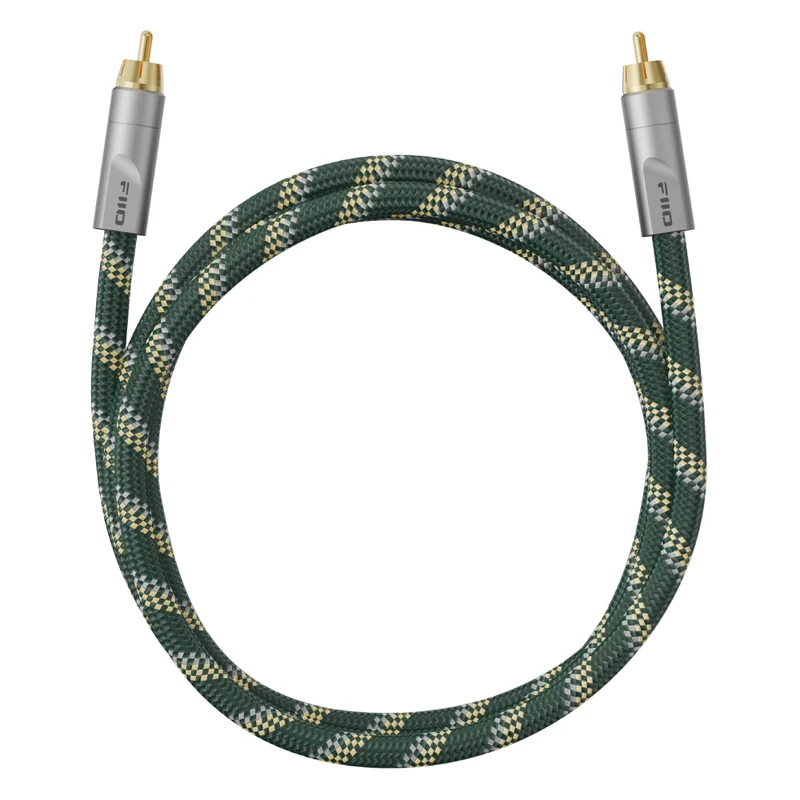
What`s in the box DX270 player USB-C cable Coaxial cable Burn-in cable Leather protective cover 12 V power supply Display protection film Warranty card Quick start guide
R2R Digital Audio Player
The ultimate evolution of R2R decoding – R2R Ultra The DX270 is not a typical R2R player, but a profound redesign of R2R decoding by iBasso to implement R2R. It features a hybrid architecture of 20-bit R2R + 4-bit string DAC, combined with an 8-channel full-differential discrete R2R, FPGA Master 3.0, internally developed algorithms, and a hardware resistance compensation network. This results in a dynamic range of 130 dB and a THD+N of better than -97 dB, completely overcoming the zero-point distortion issues common in R2R devices and achieving near-perfect linearity. iBasso refers to this entire technical system as R2R Ultra.
8-channel, fully differential R2R The DX270 uses a fully symmetrical architecture design with L+, L-, R+, and R-, each containing two R2R DACs internally and forming an “8-channel R2R” configuration. This differential design with two DACs is the key to solving the problem of “zero-crossing distortion” – when audio signals change between positive and negative voltages at zero, conventional single-channel decoding can cause signal interruptions. The differential output of the dual DACs compensates for these gaps, enabling smoother transitions. Even with small signals, linearity remains stable. This not only solves zero-crossing distortion, but also expands the dynamic range of R2R decoding to an industry-leading 130 dB, bringing out the full dynamic range of the music.
20-bit R2R + 4-bit string DAC Leading technology for superior sound quality The DX270 uses a hybrid architecture of 20-bit R2R + 4-bit string DAC. For high-bit processing (MSB), a string DAC is used, which directly approximates the target voltage through series resistors and switches. It offers a wide dynamic range, low noise energy, and excellent THD+N. The disadvantage is the need for more resistors. iBasso invest heavily, a total of 344 high-precision resistors, which is almost double the number of resistors compared to standard R2R DACs and results in a finer, more natural, and purer sound.
FPGA Master 3.0 Inside Proprietary algorithm for audio evolution The DX270 features FPGA Master 3.0, which is based on iBasso's years of algorithm development and has 7.5 times more logic LUTs than version 2.0. As the main audio controller, it retrieves data directly from the SoC, using synchronized system clock generators with two extremely low-noise Accusilicon femtosecond oscillators. The FPGA Master 3.0 also acts as a “hardware calibration master.” It can detect and compensate for parameter errors in real time, reducing the nonlinear characteristics of the components and improving the precision of the hardware resistance compensation network. The synergy of algorithms and hardware further optimizes the THD+N and dynamic range of the DX270, resulting in more stable decoding performance. Thanks to our algorithm, the DX270 also supports NOS mode and four types of digital filters for a different listening experience.
Hardware resistance compensation network Further pushing the limits of performance Combined with FPGA algorithms and a hardware resistance compensation network that uses 76 highly precise resistors, decoding accuracy is significantly improved, dynamic range is expanded, and distortion is reduced. This deep synergy between “software + hardware” enables the R2R Ultra DAC to break through traditional performance limits. The accuracy of the equivalent resistance reaches 1.4 parts in 100,000.
Thorough solution to the problem of zero-crossing distortion Confirmed by both measurement and listening Zero-crossing distortion at signal levels close to zero leads to loss of detail, abnormal noise, or lack of clarity in the low frequencies. This is a common problem with conventional R2R DACs. The DX270 uses a fully differential architecture and precise calibration to achieve an extremely low zero-crossing distortion level of -120 dB, clearly reproducing even subtle instrumental harmonies and vocal nuances.
Excellent linearity Quieter background, excellent airiness The complex waveforms of music consist of many frequency components. If the output curve of the DAC is not perfectly linear, additional harmonic distortion, intermodulation, and waveform distortion occur. Linearity directly affects decoding accuracy. With its extremely high resistance matching, reliable switching precision, and optimized circuit architecture, the DX270 surpasses the linearity of conventional R2R DACs. The output curve is close to the ideal curve, free of additional harmonics or distortion, providing a “night-black” background for natural and realistic music reproduction.
Qualcomm Snapdragon 665 SoC 4 GB RAM + 128 GB ROM, 5.5-inch screen Equipped with Qualcomm Snapdragon 665 SoC, 4 GB RAM, and 128 GB UFS 2.1 high-speed storage, ensuring smooth operation and fast response. The DX270 supports expansion up to 2 TB micro SD card for enormous storage space. The 5.5-inch display with a resolution of 1080*2160 offers rich colors and a precise touch experience, which increases user-friendliness.
Supports 12V DC input power Powerful and dynamic performance Connecting to a 12V DC power supply increases the amplifier's power supply from ±8V to ±12V, activating “Super Gain Mode” with an output power of up to 1575mW + 1575mW at 32Ω. This ample power can easily handle complex music genres and various types of headphones.
Two analog JRC volume chipsets Ensures pure sound with noise reduction The DX270 uses two dual-channel analog JRC volume ICs that form a 4-channel volume control. At low volumes, this volume control synchronously attenuates noise. At typical listening volume (50 mV), it achieves over 91 dB SINAD, ensuring clear and natural sound.
Non-SRC-based Android 13 and Linux-based Mango OS The DX270 uses the Android 13 operating system with an optimized user interface that supports the installation of various streaming apps. It bypasses SRC at the system level so that apps such as Mango Player can function optimally. In addition, it features Mango OS, a Linux-based music system with many advanced algorithms designed specifically for audio playback. With lower SoC load, no WiFi interference, no Bluetooth interference, and lower EMI, the result is a purer sound.
4.4 mm PO + 4.4 mm LO + 3.5 mm PO Low-latency USB DAC With 3.5 mm and 4.4 mm output interfaces, it is effortlessly suitable for balanced and unbalanced headphones and IEMs. The balanced 4.4 mm line output provides convenient external amplification. The coaxial 3.5 mm output supports high-quality digital output up to 384 kHz. Thanks to USB DAC support, the DX270 can become a high-end R2R USB DAC for PCs or smartphones.
- Manufactured with 344 high-precision resistors
- 8-channel R2R, fully differential design
- 20-bit R2R + 4-bit string DAC
- Hardware resistance compensation network
- Completely eliminates zero-crossing distortion and offers excellent linearity performance
- 130 dB dynamic range, THD+N: -97 dB FPGA Master 3.0 inside, supports NOS mode and four self-developed digital filters
- Two ultra-low-noise Accusilicon femtosecond oscillators
- Supports 12V DC input power
- Qualcomm Snapdragon 665 SoC
- 4GB RAM + 128GB ROM
The ultimate evolution of R2R decoding – R2R Ultra The DX270 is not a typical R2R player, but a profound redesign of R2R decoding by iBasso to implement R2R. It features a hybrid architecture of 20-bit R2R + 4-bit string DAC, combined with an 8-channel full-differential discrete R2R, FPGA Master 3.0, internally developed algorithms, and a hardware resistance compensation network. This results in a dynamic range of 130 dB and a THD+N of better than -97 dB, completely overcoming the zero-point distortion issues common in R2R devices and achieving near-perfect linearity. iBasso refers to this entire technical system as R2R Ultra.
8-channel, fully differential R2R The DX270 uses a fully symmetrical architecture design with L+, L-, R+, and R-, each containing two R2R DACs internally and forming an “8-channel R2R” configuration. This differential design with two DACs is the key to solving the problem of “zero-crossing distortion” – when audio signals change between positive and negative voltages at zero, conventional single-channel decoding can cause signal interruptions. The differential output of the dual DACs compensates for these gaps, enabling smoother transitions. Even with small signals, linearity remains stable. This not only solves zero-crossing distortion, but also expands the dynamic range of R2R decoding to an industry-leading 130 dB, bringing out the full dynamic range of the music.
20-bit R2R + 4-bit string DAC Leading technology for superior sound quality The DX270 uses a hybrid architecture of 20-bit R2R + 4-bit string DAC. For high-bit processing (MSB), a string DAC is used, which directly approximates the target voltage through series resistors and switches. It offers a wide dynamic range, low noise energy, and excellent THD+N. The disadvantage is the need for more resistors. iBasso invest heavily, a total of 344 high-precision resistors, which is almost double the number of resistors compared to standard R2R DACs and results in a finer, more natural, and purer sound.
FPGA Master 3.0 Inside Proprietary algorithm for audio evolution The DX270 features FPGA Master 3.0, which is based on iBasso's years of algorithm development and has 7.5 times more logic LUTs than version 2.0. As the main audio controller, it retrieves data directly from the SoC, using synchronized system clock generators with two extremely low-noise Accusilicon femtosecond oscillators. The FPGA Master 3.0 also acts as a “hardware calibration master.” It can detect and compensate for parameter errors in real time, reducing the nonlinear characteristics of the components and improving the precision of the hardware resistance compensation network. The synergy of algorithms and hardware further optimizes the THD+N and dynamic range of the DX270, resulting in more stable decoding performance. Thanks to our algorithm, the DX270 also supports NOS mode and four types of digital filters for a different listening experience.
Hardware resistance compensation network Further pushing the limits of performance Combined with FPGA algorithms and a hardware resistance compensation network that uses 76 highly precise resistors, decoding accuracy is significantly improved, dynamic range is expanded, and distortion is reduced. This deep synergy between “software + hardware” enables the R2R Ultra DAC to break through traditional performance limits. The accuracy of the equivalent resistance reaches 1.4 parts in 100,000.
Thorough solution to the problem of zero-crossing distortion Confirmed by both measurement and listening Zero-crossing distortion at signal levels close to zero leads to loss of detail, abnormal noise, or lack of clarity in the low frequencies. This is a common problem with conventional R2R DACs. The DX270 uses a fully differential architecture and precise calibration to achieve an extremely low zero-crossing distortion level of -120 dB, clearly reproducing even subtle instrumental harmonies and vocal nuances.
Excellent linearity Quieter background, excellent airiness The complex waveforms of music consist of many frequency components. If the output curve of the DAC is not perfectly linear, additional harmonic distortion, intermodulation, and waveform distortion occur. Linearity directly affects decoding accuracy. With its extremely high resistance matching, reliable switching precision, and optimized circuit architecture, the DX270 surpasses the linearity of conventional R2R DACs. The output curve is close to the ideal curve, free of additional harmonics or distortion, providing a “night-black” background for natural and realistic music reproduction.
Qualcomm Snapdragon 665 SoC 4 GB RAM + 128 GB ROM, 5.5-inch screen Equipped with Qualcomm Snapdragon 665 SoC, 4 GB RAM, and 128 GB UFS 2.1 high-speed storage, ensuring smooth operation and fast response. The DX270 supports expansion up to 2 TB micro SD card for enormous storage space. The 5.5-inch display with a resolution of 1080*2160 offers rich colors and a precise touch experience, which increases user-friendliness.
Supports 12V DC input power Powerful and dynamic performance Connecting to a 12V DC power supply increases the amplifier's power supply from ±8V to ±12V, activating “Super Gain Mode” with an output power of up to 1575mW + 1575mW at 32Ω. This ample power can easily handle complex music genres and various types of headphones.
Two analog JRC volume chipsets Ensures pure sound with noise reduction The DX270 uses two dual-channel analog JRC volume ICs that form a 4-channel volume control. At low volumes, this volume control synchronously attenuates noise. At typical listening volume (50 mV), it achieves over 91 dB SINAD, ensuring clear and natural sound.
Non-SRC-based Android 13 and Linux-based Mango OS The DX270 uses the Android 13 operating system with an optimized user interface that supports the installation of various streaming apps. It bypasses SRC at the system level so that apps such as Mango Player can function optimally. In addition, it features Mango OS, a Linux-based music system with many advanced algorithms designed specifically for audio playback. With lower SoC load, no WiFi interference, no Bluetooth interference, and lower EMI, the result is a purer sound.
4.4 mm PO + 4.4 mm LO + 3.5 mm PO Low-latency USB DAC With 3.5 mm and 4.4 mm output interfaces, it is effortlessly suitable for balanced and unbalanced headphones and IEMs. The balanced 4.4 mm line output provides convenient external amplification. The coaxial 3.5 mm output supports high-quality digital output up to 384 kHz. Thanks to USB DAC support, the DX270 can become a high-end R2R USB DAC for PCs or smartphones. Informationen zum Hersteller
R2R Digital Audio Player
- Manufactured with 344 high-precision resistors
- 8-channel R2R, fully differential design
- 20-bit R2R + 4-bit string DAC
- Hardware resistance compensation network
- Completely eliminates zero-crossing distortion and offers excellent linearity performance
- 130 dB dynamic range, THD+N: -97 dB FPGA Master 3.0 inside, supports NOS mode and four self-developed digital filters
- Two ultra-low-noise Accusilicon femtosecond oscillators
- Supports 12V DC input power
- Qualcomm Snapdragon 665 SoC
- 4GB RAM + 128GB ROM
The ultimate evolution of R2R decoding – R2R Ultra The DX270 is not a typical R2R player, but a profound redesign of R2R decoding by iBasso to implement R2R. It features a hybrid architecture of 20-bit R2R + 4-bit string DAC, combined with an 8-channel full-differential discrete R2R, FPGA Master 3.0, internally developed algorithms, and a hardware resistance compensation network. This results in a dynamic range of 130 dB and a THD+N of better than -97 dB, completely overcoming the zero-point distortion issues common in R2R devices and achieving near-perfect linearity. iBasso refers to this entire technical system as R2R Ultra.
8-channel, fully differential R2R The DX270 uses a fully symmetrical architecture design with L+, L-, R+, and R-, each containing two R2R DACs internally and forming an “8-channel R2R” configuration. This differential design with two DACs is the key to solving the problem of “zero-crossing distortion” – when audio signals change between positive and negative voltages at zero, conventional single-channel decoding can cause signal interruptions. The differential output of the dual DACs compensates for these gaps, enabling smoother transitions. Even with small signals, linearity remains stable. This not only solves zero-crossing distortion, but also expands the dynamic range of R2R decoding to an industry-leading 130 dB, bringing out the full dynamic range of the music.
20-bit R2R + 4-bit string DAC Leading technology for superior sound quality The DX270 uses a hybrid architecture of 20-bit R2R + 4-bit string DAC. For high-bit processing (MSB), a string DAC is used, which directly approximates the target voltage through series resistors and switches. It offers a wide dynamic range, low noise energy, and excellent THD+N. The disadvantage is the need for more resistors. iBasso invest heavily, a total of 344 high-precision resistors, which is almost double the number of resistors compared to standard R2R DACs and results in a finer, more natural, and purer sound.
FPGA Master 3.0 Inside Proprietary algorithm for audio evolution The DX270 features FPGA Master 3.0, which is based on iBasso's years of algorithm development and has 7.5 times more logic LUTs than version 2.0. As the main audio controller, it retrieves data directly from the SoC, using synchronized system clock generators with two extremely low-noise Accusilicon femtosecond oscillators. The FPGA Master 3.0 also acts as a “hardware calibration master.” It can detect and compensate for parameter errors in real time, reducing the nonlinear characteristics of the components and improving the precision of the hardware resistance compensation network. The synergy of algorithms and hardware further optimizes the THD+N and dynamic range of the DX270, resulting in more stable decoding performance. Thanks to our algorithm, the DX270 also supports NOS mode and four types of digital filters for a different listening experience.
Hardware resistance compensation network Further pushing the limits of performance Combined with FPGA algorithms and a hardware resistance compensation network that uses 76 highly precise resistors, decoding accuracy is significantly improved, dynamic range is expanded, and distortion is reduced. This deep synergy between “software + hardware” enables the R2R Ultra DAC to break through traditional performance limits. The accuracy of the equivalent resistance reaches 1.4 parts in 100,000.
Thorough solution to the problem of zero-crossing distortion Confirmed by both measurement and listening Zero-crossing distortion at signal levels close to zero leads to loss of detail, abnormal noise, or lack of clarity in the low frequencies. This is a common problem with conventional R2R DACs. The DX270 uses a fully differential architecture and precise calibration to achieve an extremely low zero-crossing distortion level of -120 dB, clearly reproducing even subtle instrumental harmonies and vocal nuances.
Excellent linearity Quieter background, excellent airiness The complex waveforms of music consist of many frequency components. If the output curve of the DAC is not perfectly linear, additional harmonic distortion, intermodulation, and waveform distortion occur. Linearity directly affects decoding accuracy. With its extremely high resistance matching, reliable switching precision, and optimized circuit architecture, the DX270 surpasses the linearity of conventional R2R DACs. The output curve is close to the ideal curve, free of additional harmonics or distortion, providing a “night-black” background for natural and realistic music reproduction.
Qualcomm Snapdragon 665 SoC 4 GB RAM + 128 GB ROM, 5.5-inch screen Equipped with Qualcomm Snapdragon 665 SoC, 4 GB RAM, and 128 GB UFS 2.1 high-speed storage, ensuring smooth operation and fast response. The DX270 supports expansion up to 2 TB micro SD card for enormous storage space. The 5.5-inch display with a resolution of 1080*2160 offers rich colors and a precise touch experience, which increases user-friendliness.
Supports 12V DC input power Powerful and dynamic performance Connecting to a 12V DC power supply increases the amplifier's power supply from ±8V to ±12V, activating “Super Gain Mode” with an output power of up to 1575mW + 1575mW at 32Ω. This ample power can easily handle complex music genres and various types of headphones.
Two analog JRC volume chipsets Ensures pure sound with noise reduction The DX270 uses two dual-channel analog JRC volume ICs that form a 4-channel volume control. At low volumes, this volume control synchronously attenuates noise. At typical listening volume (50 mV), it achieves over 91 dB SINAD, ensuring clear and natural sound.
Non-SRC-based Android 13 and Linux-based Mango OS The DX270 uses the Android 13 operating system with an optimized user interface that supports the installation of various streaming apps. It bypasses SRC at the system level so that apps such as Mango Player can function optimally. In addition, it features Mango OS, a Linux-based music system with many advanced algorithms designed specifically for audio playback. With lower SoC load, no WiFi interference, no Bluetooth interference, and lower EMI, the result is a purer sound.
4.4 mm PO + 4.4 mm LO + 3.5 mm PO Low-latency USB DAC With 3.5 mm and 4.4 mm output interfaces, it is effortlessly suitable for balanced and unbalanced headphones and IEMs. The balanced 4.4 mm line output provides convenient external amplification. The coaxial 3.5 mm output supports high-quality digital output up to 384 kHz. Thanks to USB DAC support, the DX270 can become a high-end R2R USB DAC for PCs or smartphones. Specifications Specifications Model: DX270 Housing Material: Aluminum Alloy Screen: 5.5 inches, resolution 1080*2160, capacitive in-cell touchscreen Audio Formats: APE, FLAC, WAV, WMA, ACC, ALAC, AIFF, OGG, MP3, DFF, DSF, DXD, DST, including CUE, ISO, M3U, M3U8 USB: USB-C USB 3.1 (high-speed data transfer and fast charging) Output connectors: 4.4 mm balanced headphone output, 4.4 mm balanced line output, 3.5 mm unbalanced headphone output, 3.5 mm coaxial output, USB digital output Wi-Fi: 802.11a/b/g/n/ac (2.4 GHz/5 GHz) Bluetooth: V5.0 Memory: 4 GB RAM + 128 GB ROM, supports micro SD cards up to 2 TB Battery: 4400 mAh, 3.8 V Li-polymer battery Charging time: 2.3 hours Playback time: up to 13.5 hours (Playback time varies depending on gain, resolution, volume, and headphone/IEM load. Size: 136 mm x 73.5 mm x 19 mm Weight: 265 g Headphone output Output voltage: 7.3 Vrms (12 V DC-IN), 6 Vrms (battery) Output power: 1575 mW + 1575 mW at 32 Ω, THD < 0.1% (12 V DC-IN) 1050 mW + 1050 mW at 32 Ω, THD < 0.1% (battery) Frequency response: 10 Hz–40 kHz, -1 dB Signal-to-noise ratio: 128 dB Dynamic range: 128 dB THD+N: -95 dB (A-weighted, 600 Ω load) Crosstalk: 135 dB Output impedance: 0.7 Ω 3.5 mm single-ended headphone output Output voltage: 3.7 Vrms (12 V DC-IN), 3 Vrms (battery) Output power: 416 mW + 416 mW at 32 Ω, THD < 0.1% (12 V DC-IN) Frequency response: 10 Hz–40 kHz, -1 dB Signal-to-noise ratio: 122 dB Dynamic range: 122 dB THD+N: -91 dB (A-weighted, 600 Ω load) Crosstalk: 118 dB Output impedance: 0.5 Ω 4.4 mm balanced line output Voltage: 4 Vrms (DAC high gain), 3 Vrms (DAC low gain) Frequency response: 10 Hz–40 kHz, -1 dB Signal-to-noise ratio: 130 dB Dynamic range: 130 dB THD+N: -97 dB (A-weighted, 200 kΩ load) Crosstalk: 135 dB
What`s in the box DX270 player USB-C cable Coaxial cable Burn-in cable Leather protective cover 12 V power supply Display protection film Warranty card Quick start guide
R2R Digital Audio Player
- Manufactured with 344 high-precision resistors
- 8-channel R2R, fully differential design
- 20-bit R2R + 4-bit string DAC
- Hardware resistance compensation network
- Completely eliminates zero-crossing distortion and offers excellent linearity performance
- 130 dB dynamic range, THD+N: -97 dB FPGA Master 3.0 inside, supports NOS mode and four self-developed digital filters
- Two ultra-low-noise Accusilicon femtosecond oscillators
- Supports 12V DC input power
- Qualcomm Snapdragon 665 SoC
- 4GB RAM + 128GB ROM
The ultimate evolution of R2R decoding – R2R Ultra The DX270 is not a typical R2R player, but a profound redesign of R2R decoding by iBasso to implement R2R. It features a hybrid architecture of 20-bit R2R + 4-bit string DAC, combined with an 8-channel full-differential discrete R2R, FPGA Master 3.0, internally developed algorithms, and a hardware resistance compensation network. This results in a dynamic range of 130 dB and a THD+N of better than -97 dB, completely overcoming the zero-point distortion issues common in R2R devices and achieving near-perfect linearity. iBasso refers to this entire technical system as R2R Ultra.
8-channel, fully differential R2R The DX270 uses a fully symmetrical architecture design with L+, L-, R+, and R-, each containing two R2R DACs internally and forming an “8-channel R2R” configuration. This differential design with two DACs is the key to solving the problem of “zero-crossing distortion” – when audio signals change between positive and negative voltages at zero, conventional single-channel decoding can cause signal interruptions. The differential output of the dual DACs compensates for these gaps, enabling smoother transitions. Even with small signals, linearity remains stable. This not only solves zero-crossing distortion, but also expands the dynamic range of R2R decoding to an industry-leading 130 dB, bringing out the full dynamic range of the music.
20-bit R2R + 4-bit string DAC Leading technology for superior sound quality The DX270 uses a hybrid architecture of 20-bit R2R + 4-bit string DAC. For high-bit processing (MSB), a string DAC is used, which directly approximates the target voltage through series resistors and switches. It offers a wide dynamic range, low noise energy, and excellent THD+N. The disadvantage is the need for more resistors. iBasso invest heavily, a total of 344 high-precision resistors, which is almost double the number of resistors compared to standard R2R DACs and results in a finer, more natural, and purer sound.
FPGA Master 3.0 Inside Proprietary algorithm for audio evolution The DX270 features FPGA Master 3.0, which is based on iBasso's years of algorithm development and has 7.5 times more logic LUTs than version 2.0. As the main audio controller, it retrieves data directly from the SoC, using synchronized system clock generators with two extremely low-noise Accusilicon femtosecond oscillators. The FPGA Master 3.0 also acts as a “hardware calibration master.” It can detect and compensate for parameter errors in real time, reducing the nonlinear characteristics of the components and improving the precision of the hardware resistance compensation network. The synergy of algorithms and hardware further optimizes the THD+N and dynamic range of the DX270, resulting in more stable decoding performance. Thanks to our algorithm, the DX270 also supports NOS mode and four types of digital filters for a different listening experience.
Hardware resistance compensation network Further pushing the limits of performance Combined with FPGA algorithms and a hardware resistance compensation network that uses 76 highly precise resistors, decoding accuracy is significantly improved, dynamic range is expanded, and distortion is reduced. This deep synergy between “software + hardware” enables the R2R Ultra DAC to break through traditional performance limits. The accuracy of the equivalent resistance reaches 1.4 parts in 100,000.
Thorough solution to the problem of zero-crossing distortion Confirmed by both measurement and listening Zero-crossing distortion at signal levels close to zero leads to loss of detail, abnormal noise, or lack of clarity in the low frequencies. This is a common problem with conventional R2R DACs. The DX270 uses a fully differential architecture and precise calibration to achieve an extremely low zero-crossing distortion level of -120 dB, clearly reproducing even subtle instrumental harmonies and vocal nuances.
Excellent linearity Quieter background, excellent airiness The complex waveforms of music consist of many frequency components. If the output curve of the DAC is not perfectly linear, additional harmonic distortion, intermodulation, and waveform distortion occur. Linearity directly affects decoding accuracy. With its extremely high resistance matching, reliable switching precision, and optimized circuit architecture, the DX270 surpasses the linearity of conventional R2R DACs. The output curve is close to the ideal curve, free of additional harmonics or distortion, providing a “night-black” background for natural and realistic music reproduction.
Qualcomm Snapdragon 665 SoC 4 GB RAM + 128 GB ROM, 5.5-inch screen Equipped with Qualcomm Snapdragon 665 SoC, 4 GB RAM, and 128 GB UFS 2.1 high-speed storage, ensuring smooth operation and fast response. The DX270 supports expansion up to 2 TB micro SD card for enormous storage space. The 5.5-inch display with a resolution of 1080*2160 offers rich colors and a precise touch experience, which increases user-friendliness.
Supports 12V DC input power Powerful and dynamic performance Connecting to a 12V DC power supply increases the amplifier's power supply from ±8V to ±12V, activating “Super Gain Mode” with an output power of up to 1575mW + 1575mW at 32Ω. This ample power can easily handle complex music genres and various types of headphones.
Two analog JRC volume chipsets Ensures pure sound with noise reduction The DX270 uses two dual-channel analog JRC volume ICs that form a 4-channel volume control. At low volumes, this volume control synchronously attenuates noise. At typical listening volume (50 mV), it achieves over 91 dB SINAD, ensuring clear and natural sound.
Non-SRC-based Android 13 and Linux-based Mango OS The DX270 uses the Android 13 operating system with an optimized user interface that supports the installation of various streaming apps. It bypasses SRC at the system level so that apps such as Mango Player can function optimally. In addition, it features Mango OS, a Linux-based music system with many advanced algorithms designed specifically for audio playback. With lower SoC load, no WiFi interference, no Bluetooth interference, and lower EMI, the result is a purer sound.
4.4 mm PO + 4.4 mm LO + 3.5 mm PO Low-latency USB DAC With 3.5 mm and 4.4 mm output interfaces, it is effortlessly suitable for balanced and unbalanced headphones and IEMs. The balanced 4.4 mm line output provides convenient external amplification. The coaxial 3.5 mm output supports high-quality digital output up to 384 kHz. Thanks to USB DAC support, the DX270 can become a high-end R2R USB DAC for PCs or smartphones.